


Valve Bag Bagging Machine
DCS-FW Series: Valve Bag Packing Machine with Screw Feeder DCS-FY Series: Valve Bag Packing Machine with Impeller Feeder DCS-FCQ Series: Air Forced Packer for Valve Bag DCS-FZK Series: Vacuum Packer for Valve Bag DCS-FWZL Series: Free Flow Valve Bag Packing Machine DCS-FWZD Series: Valve Packing Machine with Vibrating Feeder DCS-FWPD Series: Valve Bag Packing Machine with Belt Feeder.
Why Choose Us
Quality Control
The company has attained various certifications such as ISO9001 Quality Management System Certification.
High Quality
Our products are manufactured or executed to very high standards, using the finest materials and manufacturing processes.
Professional Team
Our professional team collaborate and communicate effectively with one another, and are committed to delivering high-quality results. They are capable of handling complex challenges and projects that require their specialized expertise and experience.
Competitive Price
We offering a higher-quality product or service at an equivalent price. As a result we have a growing and loyal customer base.
What is Valve Bag Bagging Machine
Valve Bag Bagging Machineare designed to rapidly and accurately package a wide range of granular and powdered materials. Typical products they bag include cement, minerals, fertilizer, resins, chemicals, flour, sugar, starch, and wood. Capable of packing 20-110 lbs.

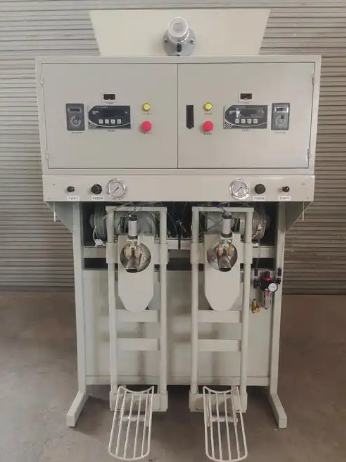


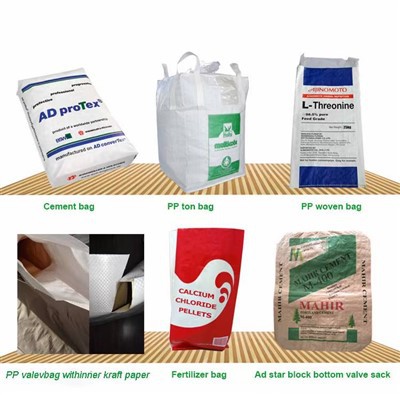
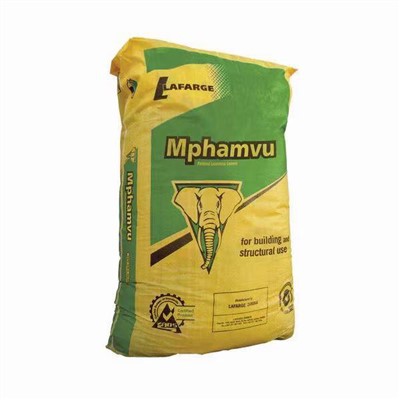
Advantages of Valve Bag Bagging Machine
Increased productivity.
Less operator intervention.
Operator safety and ergonomics.
Dust containment.
Valve Bag Bagging Machine Faults, Including 12 Kinds of Common Faults and Solutions
Power failure
Self-sealing bag bagging machine suddenly stopped running, the display or indicator did not light up, usually caused by power failure. This time you need to check whether the power supply is connected, whether there is a power failure, timely repair of power failures can be.
Disconnection fault
Self-sealing bag bagging machine work in the broken line failure is relatively common, may be loose interfaces, cable aging, external damage and other problems caused by. The solution is to check the connection line in time, reconnect or replace the damaged wire.
Positioning is not allowed
Positioning is not common in the self-sealing bag bagging machine positioning is not good, resulting in inaccurate bagging, the solution is to check the machine synchronous belt adjustment, feeding system adjustment, measurement device adjustment.
Machine loud
Machine rattling, it may be the machine is stuck in foreign objects, machine parts are damaged or lubrication is not in place and other reasons, the solution is to strengthen the maintenance or replacement of damaged parts.
Poor print quality
Poor print quality often refers to the printing is not clear, poor color, etc., then you need to check the printing part, replace the damaged printing head or replace the printing ink.
Indentation of varying depths
Indentation depth is not uniform may be synchronous belt tension or slack too large, may also be a guide bar is not well adjusted, etc.. Adjust the synchronous belt and guide bar to solve this problem.
Measurement inaccuracy
Measurement is not allowed may be damaged metering, feeding parameters and other reasons, the solution is to replace the damaged parts in a timely manner or adjust the feeding parameters.
Bag speed varies
Bag speed is not the same, may be the synchronization between the motor and the sprocket is not normal, or part of the moving parts wear and tear, resulting in self-sealing bag bagging machine is not running normally, the need for timely adjustment and replacement of worn parts.
Barrel discharge is not normal
Barrel feed incorrectly often refers to the feed is not synchronized, or blocked material, need to check the feeding system, clean up the material to ensure that the feed is normal.
Material not adsorption
Material is not adsorption is often due to Valve Bag Bagging Machine adsorption device or sensor damage or cleaning is not in place, the need for timely cleaning and replacement of damaged parts.
Unclear tear
Tear mouth is not clear may be loose tearing mechanism, tool wear and other problems caused by the need to check the mechanism and timely replacement of worn tools.
Frequent equipment failure
Frequent equipment failure, may be the service life of the equipment has reached or maintenance is not in place, the need for timely maintenance of equipment and replacement of aging parts.
Valve Bag Bagging Machine Debugging Method
• Check the control panel: First check the control panel of the bagging machine to make sure the automatic function is set correctly.
• Adjust the material tension: Under the normal operation of the machine, gradually increase the material tension to meet the packaging requirements.
• Adjust the feeding system: According to the material characteristics and packaging requirements, adjust the feeding speed and feeding distance appropriately.
• Adjust the cutter system: Adjust the cutter position according to the width of the bag to ensure the flatness and beauty of the bag opening.
• Adjust the heat sealing system: According to the bag material and thickness, adjust the heat sealing temperature and time to ensure good sealing and durability.
• Adjustment of bag length and width: Ensure the bag length and width meet the requirements by adjusting the bag length controller and cutter position.
• Adjustment of bag thickness: Adjust the cutter position according to the type of material to match the thickness of the slit to the thickness of the bag material.
• Adjust the temperature of heat sealing and laminating: According to the material and thickness of the bag, to avoid the temperature is not enough or too high.
• Adjust the speed of bagging machine: According to the bag material, size and weight gradually adjusted to ensure the air tightness and prevent burning, jamming bags.
• Adjust the air pressure: Check the air pressure gauge and adjust the air pressure gradually to keep the sealing firmly and the bag appearance intact.
• Routine inspection: Check the integrity of power supply, machine head, accessories, firmness of mechanical parts, and cleanliness.
• Adjust the knife position and cutting edge: Make it symmetrical, flat and synchronized with the rollers.
• Adjust the speed and tension: According to the bag width, thickness, material, etc., in order to increase the output.
• Adjust the cutting temperature: According to the bag material, thickness and other requirements to adjust the cutting temperature.
Valve Bag Bagging Machine Equipment Process Principle


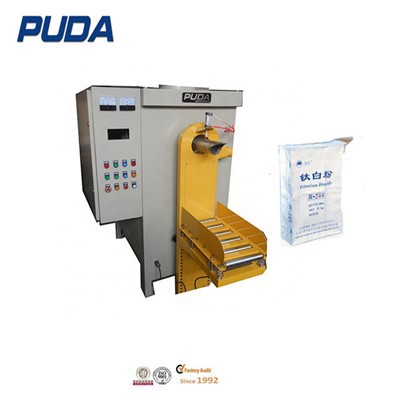
Valve Bag Bagging Machine is a kind of bagging equipment, which is mainly used for bag making, punching, sealing and other operations. It is the main component of the automated production process, which is used to realize the high quality and high efficiency production of bagged products. The following will introduce the equipment process principle of the Valve Bag Bagging Machine.
● Equipment structure introduction
Valve Bag Bagging Machine is mainly composed of the following parts.
Automatic feeding device: The device can feed the rolls automatically according to the bag type and length, which reduces the operation steps and improves the production efficiency.
Control desk: The control desk can be used to adjust the parameters and operation status of the equipment to ensure the normal work of the equipment.
Sealing head: The head can seal the bag and complete other operations as needed, such as cutting and printing labels.
Hole Punching Machine: The punching machine can make holes on the bags or add special effects such as tension parameters according to the needs.
Automatic bag cutter: The bag cutter can automatically cut the bags according to the set length, quantity and deviation to improve the production efficiency.
● Process introduction
The process flow of the Valve Bag Bagging Machine is roughly as follows.
Pre-processing: The rolls are fed into the feeding device and sent to the bag making area via a conveyor belt, which flattens and aligns the material.
Bag making: The successfully fed web is conveyed to the bag making area. This part includes cutting of bags, punching, etc., which can be done by robots.
Sealing: The made bags are fed into the sealing area and sealed using techniques such as heat or pressure.
Printing: Necessary information such as specifications and bar codes are printed on the bags.
Cooling: The sealed bags are fed into a cooling chamber to lower their temperature and ensure that the glue cures.
Automatic bag cutting: Sensors monitor the length of the bag and cut it.
Packaging: The cut bags are packed into boxes or instantly packaged in the finished product.
● Equipment Process Principle
The process principle used in Valve Bag Bagging Machines is based on the following basic principles.
Heat sealing principle
Self-sealing bag sealers utilize heat sealing technology to seal bags. This technology utilizes heat and pressure to soften the surface of the plastic by heating it and compressing it together to achieve a seal. Most of the self-sealing bags are sealed by heat sealing technology, and the sealing temperature is usually around 150-180℃.
Cold Seal Principle
In some special applications, self-sealing bags apply the cold sealing technique, where the bag is sealed at room temperature using glue or tape. This technique usually does not require additional equipment support and is somewhat less fast and efficient than the heat sealing technique.
Valve Bag Bagging Machine Workflow
Take the material
The self-sealing bagging machine should firstly pick up the material, and place the material roll on the material rack. This step needs to pay attention to ensure that the material, specification and quality of the rolls meet the production requirements.
Bottom sealing
After picking up the material, the self-sealing bagging machine will automatically seal the bottom. After the bottom sealing is completed, ensure that the bottom of the bag is closed to prevent leakage or loosening. In this step, we should pay attention to the position, length and width of the bottom sealing to make sure it meets the requirements.
Edge Sealing
After completing the bottom sealing, the self-sealing bag bagging machine will automatically seal the edges. Edge sealing can be divided into two sides of the edge sealing and top sealing. This step needs to ensure that the position, length, width and sealing of the edges meet the production standards.
Continuous bag making
After sealing the bottom and sealing the edges, the self-sealing bag cover machine will automatically carry out continuous bag making. Continuous bag making, the bag will be rolling from the cut and sealing. This step requires attention to production speed, sealing position, length, etc.
Cutting
The self-seal bagger will cut the bag at the desired position, cut the bag and collect it. The cutting position needs to be accurate, depending on the production requirements.
Bag collection
The self sealing bagger will automatically collect the bags for subsequent packaging and transportation. This step needs to pay attention to the tightness of the bag, specifications, quantity and so on.
Note on Valve Bag Bagging Machine
Enough working space should be placed in front of and behind the self-seal bagging machine, which is convenient for the staff to operate and maintain.
Self-sealing bagging machine needs to use matching raw materials to ensure product quality and production efficiency.
The self-sealing bagging machine needs regular maintenance and maintenance to ensure the normal operation of the equipment.
Self-sealing bagging machine in the operation process, need to pay attention to operational safety and equipment stability, to avoid accidents.
The production efficiency and product quality of the self-sealing bagging machine are closely related to the operator's technical level, experience and patience and other factors.
Daily inspection
Before using the bagging machine every day, check whether the various parts of the machine are functioning properly, including the motor, transmission belt, heating device, vacuum pump, etc.. At the same time, check whether the selection of packaging materials is correct, and whether the heat sealing device is normal. During operation, pay attention to observe whether the machine has abnormal sound or vibration, and stop the machine for inspection as soon as any abnormality is found.
Regular cleaning and maintenance
Regular cleaning and maintenance is the key to keep the bagging machine in good condition. After each shift, clean the residue and dust on the machine in time. Clean the drive belt every week to avoid over-tightening or over-loosening of the drive belt. In addition, monthly inspection and maintenance of the heating device to ensure that the surface of the heating plate is clean and free of foreign matter, so as not to affect the heat sealing effect
Replacement of wearing parts
Some parts of the self-sealing bag sleeving machine, such as the vacuum pump oil, the rubber strip of the heat sealing device, etc. are wearing parts and need to be replaced regularly. According to the requirements of the equipment manual, timely replacement of these wearing parts to ensure the normal operation of the machine.
Check the electrical components
The electrical parts of the self-sealing bag casing machine include the motor, control box, etc. These parts need to be kept dry and clean. After each shift, wipe the surface of the control box with a dry cloth to avoid dust affecting the normal operation of the electrical parts. Meanwhile, regularly check whether the wiring of the motor is firm to prevent safety accidents caused by loose wiring.
Lubrication maintenance
The self-sealing bag casing machine needs lubrication during operation to reduce friction and wear. Add lubricating oil or grease to the transmission parts and bearings regularly according to the requirements of the equipment manual. When adding lubricant, make sure there is no oil leakage so as not to contaminate the packaging materials and products.
Adjustment and calibration
In order to maintain the accuracy and stability of the self-sealing bag casing machine, the machine needs to be adjusted and calibrated regularly. According to the requirements of the equipment manual, adjust and calibrate the machine's heat sealing device, weighing device and other key components to ensure that the quality and weight of the packaged products meet the requirements. Meanwhile, the sensitivity and precision of the sensor are checked regularly to prevent packaging errors due to sensor failure.
Our factory
Qinhuangdao Puda Electronics Co., Ltd. was established in 1992, is located in the scenic Qinhuangdao Economic and Technological Development Zone. As a Sino-foreign joint venture high-tech enterprises, Puda company to automation precision manufacturing industry positioning, new material technology and equipment manufacturing industry as the main market target, focus on automatic quantitative packaging and batching flow measurement field, with strong technical strength for products to expand the international market laid a solid foundation.
Qinhuangdao Puda Electronics Co., Ltd. is mainly engaged in the research and development, production, sales and service of various new processes, new equipment and new production lines of powder particles. The company mainly produces various packaging machines (such as valve pocket packaging machine, open pocket packaging machine, ton bag packaging machine), mixing machines (plow knife type, propeller type, rotary drum type mixer), and high-precision batching system. At the same time, it is equipped with sealing machine, conveyor (belt conveyor, shaftless screw conveyor), shaping machine and tray thermoplastic machine, etc., and can provide turnkey engineering of the entire production line. Applicable materials are titanium dioxide, white carbon black, phthalic anhydride, activated carbon, graphite, PVC, CPE, calcium carbonate, dry powder mortar, hard salt, ultrafine alumina powder, kaolin and nano powder. At the same time, Puda company has excellent performance in the field of copper concentrate, iron concentrate, molybdenum concentrate and other tons of packaging machines.
Qinhuangdao Puda Electronics Co., Ltd. has a perfect quality management system, through the ISO9001 quality management system certification. With its superior product quality, constantly updated technical level, increasingly perfect service concept, the company is active in the packaging measurement market at home and abroad. Covering industries involving chemical, grain, metallurgy, building materials, medicine, food and other fields. Products cover Southeast Asia, the Middle East, Africa, Europe, the Americas and other more than a dozen countries and regions are widely praised by customers. In order to better serve customers around the world, the company has a branch office in Vancouver, Canada. Distributors in the United States and Cuba. High-quality products, the application of new technology, to make customers satisfied is the unremitting pursuit of Puda people.
Certificate

Our Partners

FAQ