


One of the most frequently reported problems during the operation of the ton bag packaging machine is "improper weighing".
Sometimes, each bag may have a small deviation, but the data is always unstable; at other times, the weight fluctuates unpredictably, which affects the packaging efficiency and the subsequent shipment. Many people initially suspect that there is a problem with the weighing sensor, but in reality, the actual situations on site do not show as many cases caused by sensor damage as imagined.
Often, the problem actually lies in the entire feeding and operation process.
The most common type of cause is unstable material conditions.
Especially for powder materials, if they have poor流动性, are prone to caking, or deliver at unpredictable speeds, it will affect the weighing accuracy. Although the equipment is controlling the weight, if the material suddenly overflows, the system cannot react in time, and there is a risk of overloading.
Changes in the moisture content of the material also affect the stability of measurement.
For the same material, if it is dry today and moist tomorrow, the feeding condition will be different, and the weighing error will also change accordingly.
Problems with the feeding system are also a common reason.
For example, uneven screw feeding speed, delayed closure of pneumatic valves, accumulation of material at the feeding port, etc., will cause the actual feeding amount and the system control to be out of sync. Even if the sensor is normal, errors can still be very large due to the inability to stop the material at the final stage.
In addition, equipment vibration and external interference are often overlooked.
The weighing system itself has high requirements for stability. If the equipment is not installed evenly, there is significant mechanical vibration nearby, or the conveying equipment has obvious impacts, it can affect the stability of the data.
Another situation is the influence of airflow.
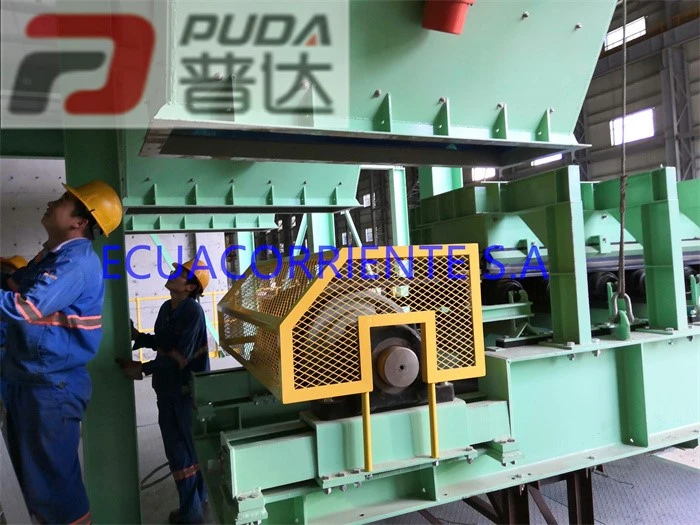
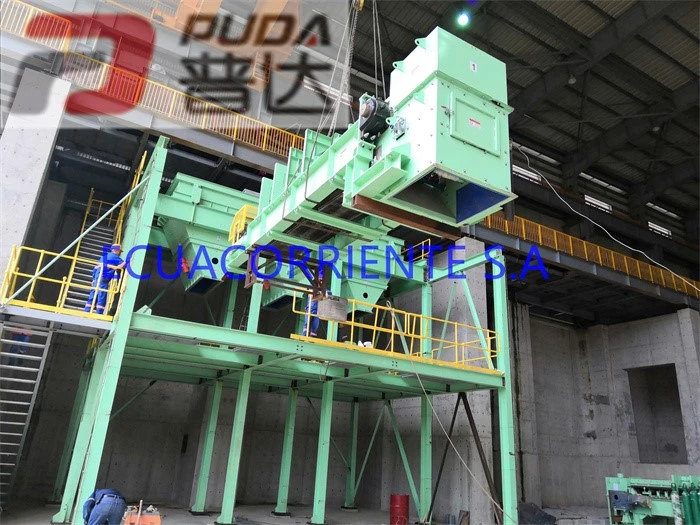
Especially when packaging powder materials, if the dust removal air volume is too large or the airflow is unstable, it will interfere with the weighing data, presenting as "improper weighing".
Of course, the weighing sensor itself also needs to be checked.
After long-term use, if there is moisture, accumulation of dust, loose wiring, or overload impact, it will affect the accuracy. However, compared to direct damage, the more common situation is data drift caused by long-term environmental influence.
Also, unreasonable parameter settings can also cause errors.
For example, an excessive lead-in setting or a fast replenishment speed will affect the final accuracy. Some sites, in pursuit of speed, adjust the parameters too aggressively, and in the end, it becomes more difficult to stabilize.
From practical troubleshooting experience, if the weighing of the ton bag packaging machine is incorrect, it is recommended not to rush to replace the sensor at the beginning. Instead, check in the following order:
Whether the material condition is stable
Whether the feeding process is uniform
Whether the feeding system is normal
Whether the equipment is subject to vibration interference
Whether the pneumatic and dust removal systems affect the weighing
Finally, check the sensor and parameter settings.
Because "improper weighing" is not a single fault but the result of multiple links being superimposed.


